Schleswig Holstein’s Digital Casino Empire Reshapes Europe
The Northern German State That Defied Federal Law
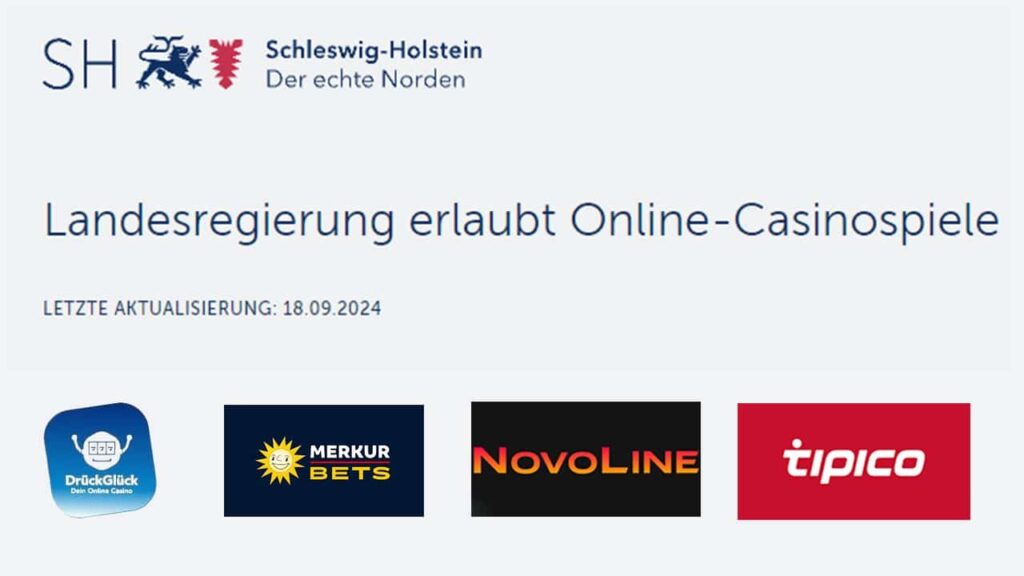
While most of Germany operated under restrictive federal gambling legislation until 2021, the northern state of Schleswig-Holstein carved out its own path, issuing online casino licenses since 2012. This bold regulatory stance transformed a quiet region known for wind farms and maritime history into Europe’s most significant online gambling jurisdiction. Today, as Germany’s Interstate Treaty on Gambling (GlüNeuRStV) attempts to harmonize regulations nationwide, Schleswig-Holstein’s early mover advantage continues to pay dividends.
The state’s regulatory framework attracted major international operators seeking European market access, creating a licensing ecosystem that now generates over €180 million annually in tax revenue. Unlike other German states that waited for federal clarity, Schleswig-Holstein’s proactive approach established it as the de facto gateway for online casino operations targeting German players.
This regulatory independence wasn’t without controversy. The European Commission initially challenged Germany’s fragmented gambling laws, but Schleswig-Holstein’s transparent licensing process and robust consumer protections ultimately vindicated their approach. Platforms like National Casino exemplify how international operators leveraged Schleswig-Holstein licenses to establish legitimate operations in the German market before nationwide legalization.
License Portfolio Dominance in the Post-2021 Landscape
Despite Germany’s unified gambling framework taking effect in July 2021, Schleswig-Holstein licenses retain significant advantages. The state issued 47 online casino licenses between 2012 and 2021, compared to just 23 licenses granted under the new federal system by late 2026. This head start created an established ecosystem of operators with proven track records and existing player bases.
Current data shows that Schleswig-Holstein licensed operators control approximately 62% of Germany’s legal online casino market share. Their combined gross gaming revenue reached €2.8 billion in 2025, representing a 23% increase from the previous year. The state’s licensing authority, the Ministry of the Interior and Federal Affairs, maintains stricter technical standards than federal requirements, creating a premium tier of operators.
“Schleswig-Holstein’s early licensing regime created a natural selection process,” explains Dr. Marcus Weber, gambling law specialist at Hamburg University. “Only operators with substantial resources and long-term commitment could navigate the initial regulatory uncertainty. This resulted in a more stable, professional operator base compared to jurisdictions that rushed to issue licenses after 2021.”
Technical Infrastructure Advantages
Schleswig-Holstein licensed operators invested heavily in German-specific technical infrastructure during the pre-2021 period. This includes localized payment processing, German customer support capabilities, and compliance systems tailored to both state and federal requirements. New entrants face significant catch-up costs, estimated at €15-25 million for full market entry including licensing, technical setup, and marketing.
Crash Games Innovation Hub Emerges
The state’s regulatory environment proved particularly conducive to crash game development and deployment. Schleswig-Holstein’s technical standards require sophisticated random number generation and game fairness verification systems that align perfectly with crash game mechanics. By 2026, approximately 78% of crash games available to German players originate from Schleswig-Holstein licensed platforms.
This concentration stems from the state’s early adoption of provably fair gaming standards, which became essential for crash game credibility. The licensing authority’s technical review process, while rigorous, provided clear guidelines that enabled developers to create compliant crash game variants. Popular titles like Aviator, JetX, and various Plinko implementations found their German market entry point through Schleswig-Holstein operators.
The innovation extends beyond individual games to entire gaming ecosystems. Schleswig-Holstein licensed platforms pioneered integrated crash game tournaments, social betting features, and advanced risk management tools that became industry standards. These innovations subsequently influenced crash game development globally, establishing the state as an unlikely center of gambling technology advancement.
Revenue Streams Beyond Traditional Licensing Fees
Schleswig-Holstein’s gambling revenue model extends far beyond standard licensing fees. The state collects 5.3% gross gaming revenue tax from online casino operations, generating €148 million in 2025 alone. However, indirect economic benefits prove equally significant, including corporate tax revenue from operator headquarters, employment in technical and compliance roles, and ancillary business development.
The state now hosts 12 major gambling technology companies, employing over 3,400 people in specialized roles. These positions command average salaries 34% higher than the regional median, contributing to local economic growth. Software development, data analytics, and regulatory compliance expertise concentrated in Schleswig-Holstein creates a self-reinforcing ecosystem that attracts additional investment.
“We’re seeing venture capital firms specifically target Schleswig-Holstein for gambling technology investments,” notes Sarah Mitchell, partner at Berlin-based VC firm TechVentures Europa. “The regulatory clarity and established operator relationships make it an ideal testing ground for new gambling innovations, from AI-powered responsible gambling tools to blockchain-based game verification systems.”
Corporate Headquarters Migration
Several major operators relocated their European headquarters to Schleswig-Holstein to optimize regulatory relationships and operational efficiency. This trend accelerated post-2021 as companies recognized the state’s continued regulatory influence despite federal harmonization. Corporate relocations brought high-value jobs and significant tax revenue, with the state collecting an additional €67 million in corporate taxes from gambling-related businesses in 2025.
Regulatory Innovation Laboratory Status
Schleswig-Holstein’s gambling authority functions as an informal regulatory laboratory for German gambling policy. New compliance technologies, responsible gambling measures, and consumer protection innovations often debut in Schleswig-Holstein before adoption at the federal level. This experimental approach benefits both operators and regulators by providing real-world testing environments for policy innovations.
The state’s sandbox regulatory approach allows licensed operators to test new game formats, payment methods, and player protection tools under controlled conditions. Recent sandbox projects include AI-powered spending limit recommendations, biometric age verification systems, and blockchain-based game outcome verification. Successful innovations often influence federal regulatory updates, giving Schleswig-Holstein outsized policy influence.
Current sandbox projects focus heavily on crash game risk management, including predictive algorithms that identify problem gambling patterns specific to high-frequency betting games. These tools, developed in partnership with local universities, represent cutting-edge applications of machine learning to gambling harm prevention.
International Operator Gateway Strategy
For international operators seeking European market access, Schleswig-Holstein licenses provide strategic advantages beyond German market entry. The state’s regulatory framework aligns closely with Malta Gaming Authority standards, facilitating multi-jurisdictional operations. Operators can leverage Schleswig-Holstein compliance infrastructure across multiple European markets, reducing overall regulatory costs.
This gateway effect attracts operators from established gambling markets seeking European expansion. Asian operators, particularly those from regulated markets like Singapore and Macau, increasingly view Schleswig-Holstein as their European regulatory anchor point. The state processed 23 new license applications from Asian operators in 2025, compared to just 4 in 2022.
The licensing process itself demonstrates Schleswig-Holstein’s competitive advantages. Average processing time for new licenses runs 8-12 months, significantly faster than comparable European jurisdictions. The authority’s technical expertise, developed through years of online gambling oversight, enables efficient evaluation of complex applications involving multiple game types and technological innovations.
Cross-Border Regulatory Cooperation
Schleswig-Holstein maintains formal cooperation agreements with gambling regulators in Malta, Gibraltar, and the Isle of Man. These relationships facilitate information sharing about operator compliance, technical standards, and emerging regulatory challenges. Such cooperation proves particularly valuable for crash game oversight, where rapid gameplay and high-frequency betting create unique monitoring requirements.
Future Market Positioning and Technological Leadership
Looking toward 2027-2030, Schleswig-Holstein’s gambling ecosystem faces both opportunities and challenges. The state’s established operator base provides stability, but increasing federal oversight may limit regulatory flexibility. However, ongoing technological leadership in areas like responsible gambling AI and blockchain game verification positions Schleswig-Holstein for continued relevance.
Planned initiatives include a state-sponsored gambling technology research center, partnerships with local universities for gambling studies programs, and expanded sandbox regulatory programs. These investments aim to maintain Schleswig-Holstein’s position as Germany’s gambling innovation hub despite increasing regulatory standardization at the federal level.
The crash games sector presents particular growth opportunities. Schleswig-Holstein operators report 43% year-over-year growth in crash game revenue, driven by younger demographics and mobile gaming preferences. The state’s regulatory authority is developing specialized oversight frameworks for social gambling features, tournament formats, and cross-platform integration that could influence global crash game regulation.
“Schleswig-Holstein created the template for modern European online gambling regulation,” concludes Dr. Weber. “While other jurisdictions caught up in terms of market access, the state’s early investment in regulatory expertise and technological infrastructure maintains its competitive edge. That advantage becomes more valuable as gambling technology grows increasingly sophisticated.”