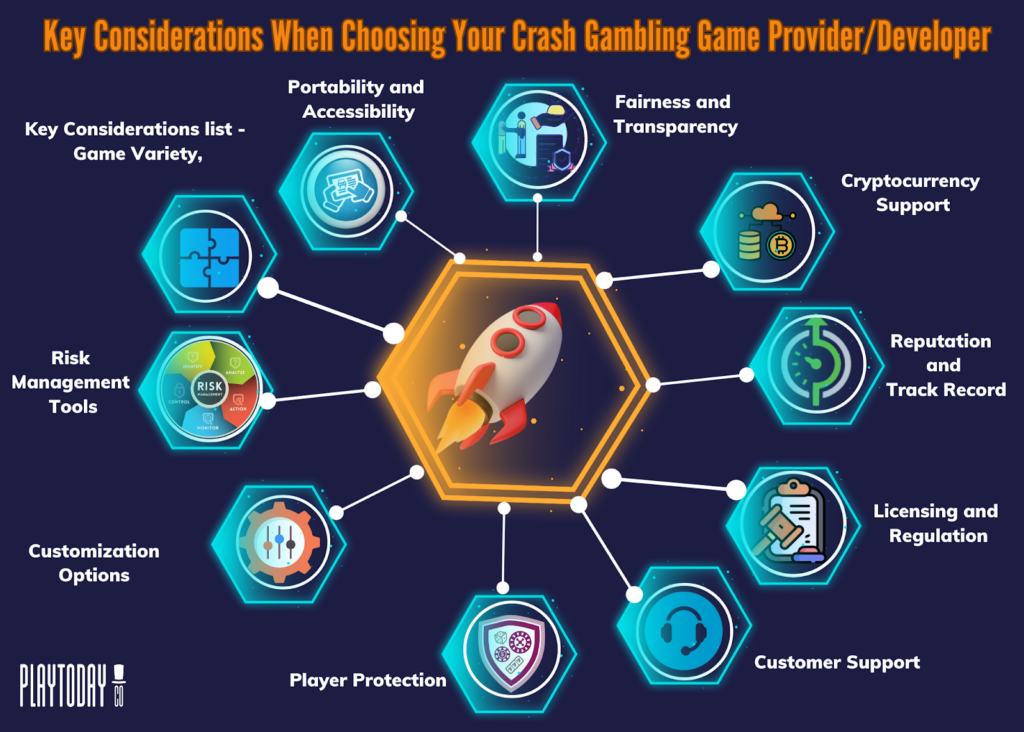
The Regulatory Landscape for Crash Games
The world of online gambling has seen a surge in the popularity of a unique genre of games known as “Crash Games.” These thrilling and fast-paced offerings have captivated players across the globe, leading to a growing demand for regulatory clarity and oversight. As the industry continues to evolve, it’s essential to understand the current regulatory landscape for Crash Games, particularly in key international markets.
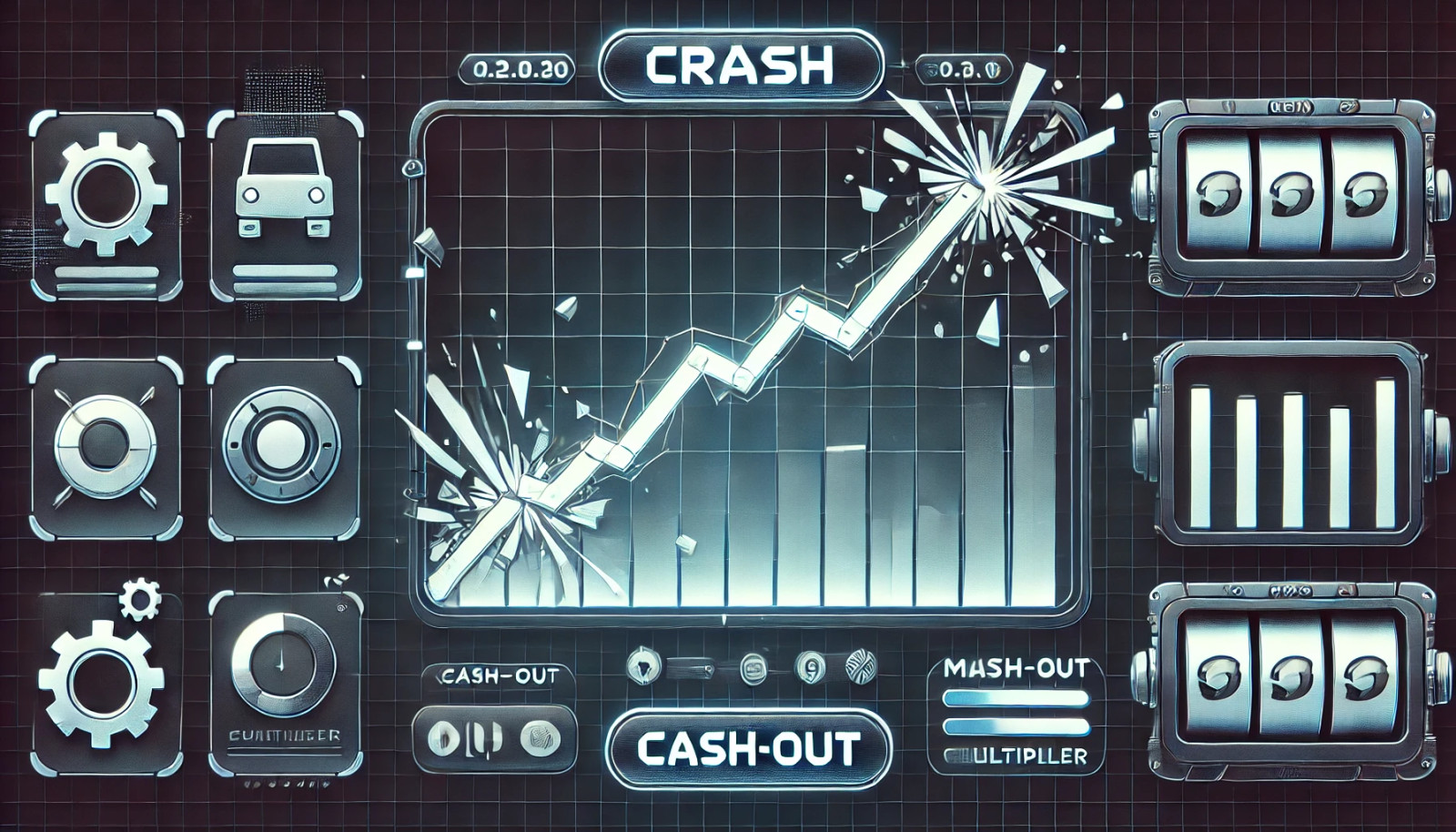
Crash Games, also referred to as “Multiplier Games” or “Provably Fair Games,” have gained significant traction in the online gambling industry. These games, characterized by their simple yet engaging mechanics, have become a favorite among players seeking a quick and exciting betting experience. The premise of Crash Games is straightforward: players bet on a constantly increasing multiplier, with the goal of cashing out before the game “crashes” and the multiplier resets.
The rapid growth of Crash Games has led to increased scrutiny from regulatory bodies and governments worldwide. As with any form of online gambling, there are concerns about player protection, fairness, and the potential for abuse. This has prompted the need for a comprehensive regulatory framework to ensure the integrity and responsible operation of Crash Games.
Licensing and Regulation in Key International Markets
The regulatory landscape for Crash Games varies significantly across different international markets. While some jurisdictions have embraced and regulated these games, others have taken a more cautious or restrictive approach.
Curacao, Malta, Gibraltar, and Isle of Man
Curacao, Malta, Gibraltar, and the Isle of Man are widely recognized as leading hubs for online gambling licensing and regulation. These jurisdictions have established comprehensive regulatory frameworks that allow for the legal operation of Crash Games. Operators holding licenses from these authorities are generally able to offer Crash Games to international players, subject to the specific requirements and restrictions of each market.
United Kingdom, United States, Australia, France, and the Netherlands
In contrast, the regulatory landscape for Crash Games is more restrictive in certain key markets, such as the United Kingdom, United States, Australia, France, and the Netherlands. In these regions, the legal status of Crash Games is often ambiguous or outright prohibited, with regulators taking a cautious approach to these types of games.
For example, in the United Kingdom, the Gambling Commission has not explicitly addressed the legality of Crash Games, leaving operators in a state of uncertainty. Similarly, in the United States, the legal status of Crash Games varies on a state-by-state basis, with some states prohibiting these games entirely.
Navigating the Regulatory Landscape
As the popularity of Crash Games continues to grow, operators and players alike must navigate the complex and ever-evolving regulatory landscape. Staying informed about the latest developments and requirements in key markets is crucial for ensuring compliance and mitigating legal risks.
Compliance and Responsible Gambling Practices
Responsible gambling practices are of paramount importance in the Crash Games industry. Operators must adhere to strict regulations and guidelines to protect players, prevent problem gambling, and maintain the integrity of their offerings. This includes implementing robust age verification systems, responsible gambling tools, and clear and transparent game mechanics.
Additionally, players should familiarize themselves with the regulatory frameworks in their respective jurisdictions and only engage with licensed and reputable Crash Game providers. This helps ensure a safe and fair gaming experience, while also supporting the industry’s efforts to maintain high standards of player protection and responsible gambling.
The Future of Crash Game Regulations
As the Crash Games industry continues to evolve, regulatory bodies around the world are closely monitoring the sector and its impact on players and the broader gambling landscape. Some jurisdictions may choose to adopt a more permissive approach, while others may maintain or even tighten their restrictions.
Ultimately, the future of Crash Game regulations will depend on a delicate balance between fostering innovation, ensuring player safety, and upholding the integrity of the industry. Ongoing collaboration between regulators, operators, and player advocacy groups will be crucial in shaping the regulatory landscape and ensuring the sustainable growth of the Crash Games market.
Responsible gambling should always be a top priority for both operators and players. By adhering to best practices and staying informed about the latest regulatory developments, the Crash Games industry can continue to thrive while prioritizing the well-being of its participants.
